

 Feedback
Prevention
Annex 5 – GRADE evidence-to-decision tables
Click here to view Annex 5
Annex 4 – GRADE evidence summary tables
Click here to view Annex 4
8. Monitoring and evaluation
8.1 The role of M&E
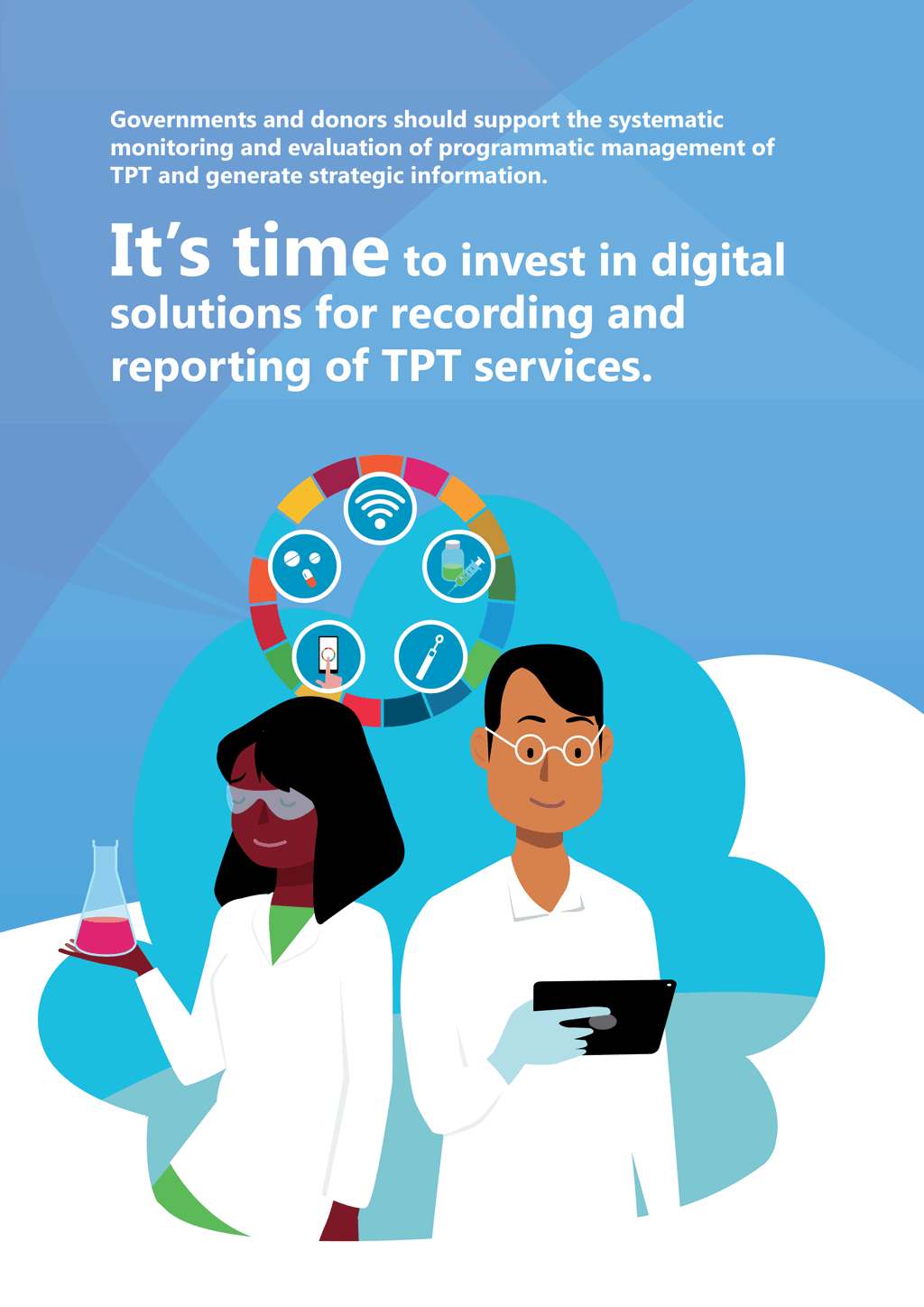
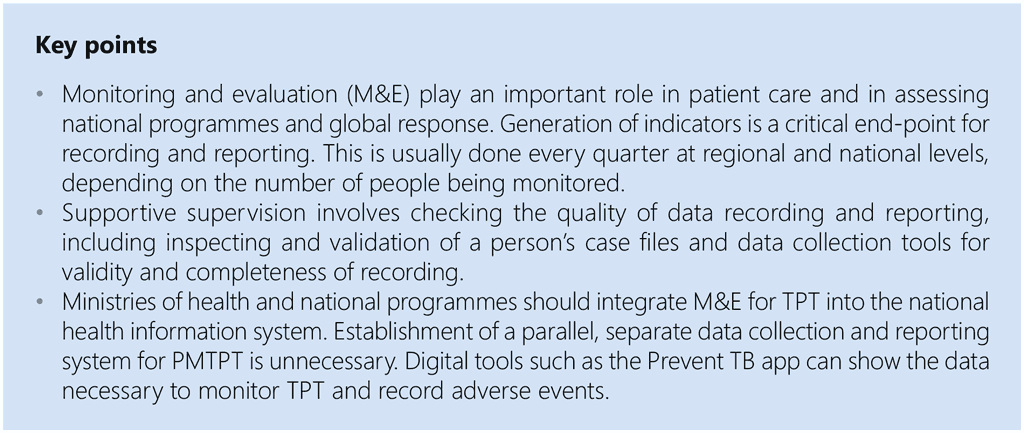
M&E play important roles in patient care and in assessing national programmes and the global response (Fig. 11).
6. Safety and management of adverse drug reactions in TB preventive treatment
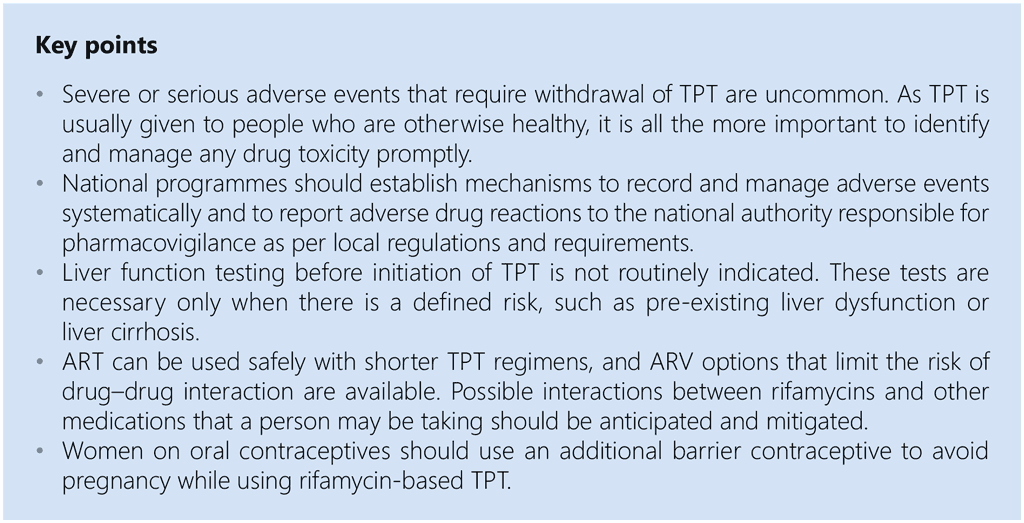
WHO has long recommended use of TPT for populations at risk of TB, particularly those with HIV and child household contacts of TB patients.
5. TB preventive treatment

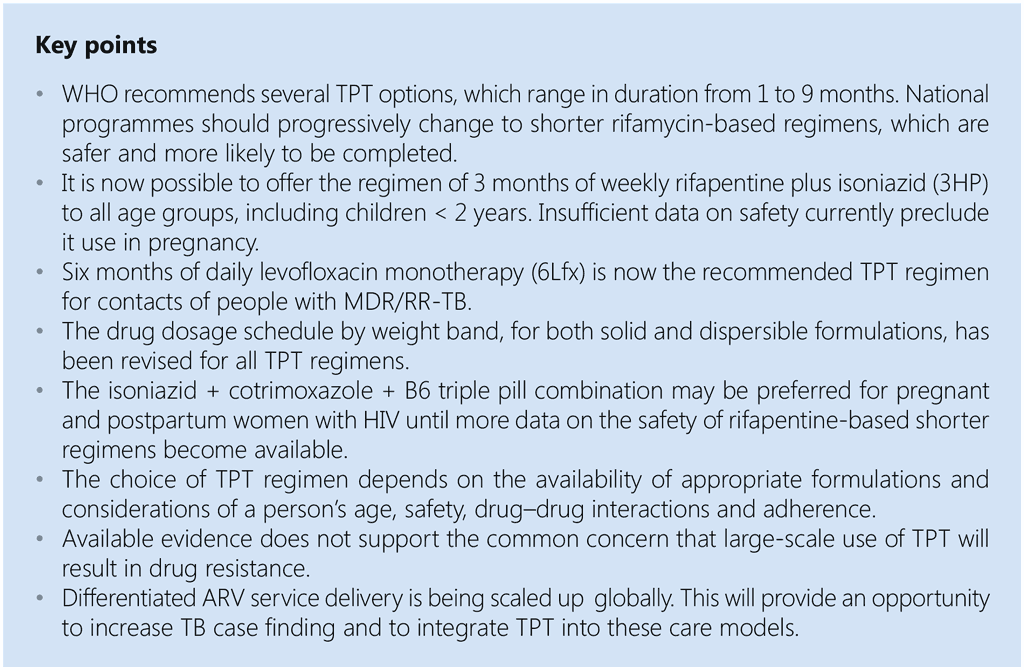
The fourth step in the cascade of care for PMTPT is the choice of TPT regimen and providing support to people on TPT in completing their treatment.
5.1 Recommended TPT regimens
TPT falls broadly into three categories: (i) isoniazid monotherapy for 6 or 9 months (6H or 9H), (ii) rifamycin-based shorter treatment and (iii) Lfx for 6 months (6Lfx) for people exposed to MDR/ RR-TB. Isoniazid preventive treatment (IPT) for 6 months was the mainstay of TPT until recently, for both adults and children, HIV-positive and HIV-negative, and in high and low TB incidence countries. Several systematic reviews have consistently demonstrated the efficacy of IPT in preventing TB disease among people infected with M. tuberculosis.
Acknowledgements
The recommendations and the text of the WHO consolidated guidelines on tuberculosis. Module 1: Prevention – tuberculosis preventive treatment, second edition are the result of collaboration among professionals in various specialties with extensive expertise and experience in public health policy, tuberculosis (TB) programme management and the clinical care of TB patients. The recommendations in these guidelines were developed by successive guideline development groups (GDGs) convened by WHO, the latest of which met in December 2023.