Retour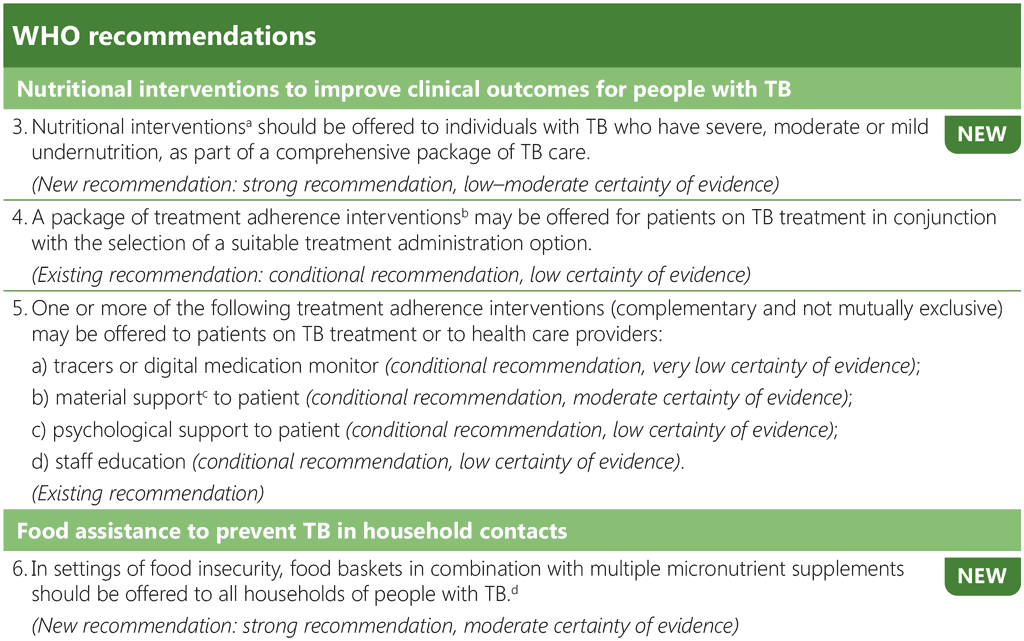
a Examples of nutritional interventions are direct food provision, specially formulated foods and financial support.
b Treatment adherence interventions include social support such as: patient education and counselling; material support (e.g. food, financial incentive and transport fees); psychological support; tracers such as home visits or digital health communications (e.g. SMS, telephone calls); medication monitor; and staff education. The interventions should be selected on the basis of the assessment of the individual patient’s needs, provider’s resources and conditions for implementation.
c Material support can be food or financial support such as: meals, food baskets, food supplements, food vouchers, transport subsidies, living allowance, housing incentives, or financial bonus. This support addresses indirect costs incurred by patients or their attendants in order to access health services and, possibly, tries to mitigate consequences of income loss related to the disease.
d A household where at least one member has been diagnosed with TB; this term also includes the person with TB.
2.2.1 Justification and evidence
People with TB who also have undernutrition have a higher risk of poor treatment outcomes, including an elevated risk of death and loss to follow-up (4, 5). Household contacts, regardless of their age or TB infection status, are also at a substantially higher risk for progression to TB disease than the general population (46). Adequate nutrients are required for regulating body processes, and building and repairing tissues, thereby promoting health and preventing disease (11). In 2013, WHO published recommendations on the provision of nutritional support for people with TB and moderate or severe undernutrition (11). In light of new evidence, systematic reviews were commissioned, to update the recommendations on food assistance and nutritional interventions for people with TB and their household contacts.
Recommendation 3:
Nutritional interventions for people with TB and undernutrition
Nutritional interventions are purposeful actions intended to increase macronutrient intake and improve the nutritional or clinical status of an individual. Such interventions may include direct food provision, specially formulated foods, cash-based transfers or food vouchers. The systematic review conducted for PICO Question 1 identified 17 RCTs, of nutritional interventions for people with TB which could be assessed according to GRADE, comprising a diverse range of dietary and non-dietary interventions (19-26, 28, 47-54). Most of these studies focused on people with pulmonary TB but three studies included people with extrapulmonary TB (23, 25, 53). One RCT included only people with multidrug-resistant TB (MDR-TB) (47). The RCTs included the following eight groups of nutritional interventions: high energy–protein food (interventions aimed to boost energy and protein intake, which may include specially formulated food such as biscuits or shakes, or locally manufactured food) (23-26, 28, 50), arginine-rich food (19, 20, 52, 54), financial support with psychosocial counselling (47), food vouchers (53), green tea extract (49), fish oil plus vitamin A and zinc (22), channa striata extract (21), “dietary nursing” (48) and cholesterol-rich diet (51). The systematic review yielded information on the following outcomes rated critical by the GDG: death, TB cure, TB treatment completion, TB treatment success, loss to follow-up, TB treatment adherence, TB treatment failure, performance status (handgrip strength), change in weight or body mass, and anaemia. One study on a cholesterol-rich diet did not yield any evidence on any of the critical outcomes. The certainty of evidence for the different interventions and outcomes varied. There were no data on patient costs, adverse events, longer term survival and pregnancy outcomes.
The systematic review found that the evidence is very uncertain about the effect of fish oil plus vitamin A and zinc on BMI at 1 month among children with TB, compared with standard of care (mean difference [MD] 1.9 kg/m² [95% CI: 0.0, 3.8], very low certainty evidence) (22). In addition, the studies that included green tea extract, channa striata and dietary nursing did not demonstrate any significant difference in the critical outcomes of treatment success, treatment failure, mortality, loss to follow-up or anaemia. The GDG therefore judged that, overall, the desirable effects for these interventions were trivial or unknown and the undesirable effects were trivial and thus the balance of effects was uncertain.
The systematic review found that high energy–protein food may improve TB treatment completion (1 trial, n=100, risk ratio [RR] 1.20 [95% CI: 1.04, 1.37], low certainty evidence) (25), slightly increases percentage weight gain at 2 months (1 trial, n=265, MD 1.70% [95% CI: 0.19, 3.21], high certainty evidence) (28) and at 8 months (1 trial, n=265, MD 2.60% [95% CI: 0.51, 4.69], high certainty evidence) (28), and probably increases handgrip strength at 3 months (2 trials, n=136, MD 1.51 [95% CI: 1.10, 1.92], moderate certainty evidence) (25, 26) compared with not giving high energy–protein food.
One trial reported reduced adherence to TB treatment at 2 months (1 trial, n=265, MD –4.7% [95% CI: –8.6, –0.8], moderate certainty evidence) among participants who received high energy– protein food (28). This study required participants to attend the clinic daily at a specific time during the intensive phase of TB treatment to receive a cooked meal. Qualitative research conducted during this study and reported in the same publication (28) found that some participants expressed shyness about eating at the clinic, whereas others complained about time inflexibility relating to clinic attendance, which may have been a barrier to treatment adherence.
Arginine supplementation, compared with placebo, probably results in a slight reduction in the proportion of people with a BMI of less than 18.5 kg/m² at 1 month (1 trial, n=63, RR 0.35 [95% CI: 0.13, 0.99], moderate certainty evidence) (19). An arginine-rich diet, compared with a low-arginine diet, may result in an increase in TB cure in people with HIV-associated TB (1 trial, n=69, RR 1.58 [95% CI: 1.11, 2.25], low certainty evidence) (20).
Financial support with psychosocial counselling probably increases cure in people with MDR-TB (RR 1.21, 95% CI: 1.00, 1.46) (47). The provision of food vouchers for specified foods to people receiving TB treatment probably increases cure slightly compared with the standard of care (1 trial, n=774, RR 1.08 [95% CI: 1.03, 1.13], moderate certainty evidence) (53).
For the interventions of high energy–protein food, arginine-rich food, financial support with psychosocial counselling and food vouchers, the GDG judged the desirable effects as small to moderate, and the undesirable effects as trivial. The certainty of evidence for the studies investigating these interventions was judged to be low–moderate for high energy–protein food and moderate for the other three interventions. The GDG therefore judged that the overall certainty of evidence for these four groups of interventions was low–moderate. The GDG thus agreed to consider these four specific interventions during the process of making decisions based on the evidence before formulating a recommendation. Further information on these interventions and outcomes are given in Web Annex B (the GRADE summary of findings tables) and Web Annex C (the GRADE evidenceto-decision tables).
A high proportion of participants in the trials included in the systematic review had undernutrition. Two trials recruited only participants with undernutrition (25, 26). In addition, seven trials recruited participants regardless of nutritional status, but the recruited participants had a mean or median BMI of less than 18.5 kg/m² (20-24, 27, 28). One trial recruited participants regardless of nutritional status but reported a BMI of less than 18.5 kg/m² in 46% of participants (19). Three trials reported a mean or median BMI of just above 18.5 kg/m² but less than 20 kg/m² (50-52), and one trial reported a BMI of more than 20 kg/m² (48). Four trials did not report on BMI in their inclusion criteria or among the included participants (47, 49, 53, 54). A systematic review and meta-analysis of 53 studies conducted in 2023 involving 48 598 participants estimated that, globally, 48% of people with TB have undernutrition. Among the 53 studies, 51 defined undernutrition using the standard WHO-approved definitions. Thus, it might be assumed that a reasonable proportion of participants of the four trials that did not report nutritional status would have been undernourished (2). A proportion of the participants may not have had undernutrition; however, the GDG members judged that the recommendation should only apply to people with TB who have undernutrition.
No data were identified that compared the effect of nutritional interventions for people with TB by undernutrition status at the beginning of TB treatment, by age group, for pregnant, postpartum or breastfeeding women, or for people with diabetes.
The GDG noted that the costs associated with providing nutritional interventions may vary with the context. Factors that might influence the costs include the number of people with TB, the nutritional status of people with TB, the cost of nutritional interventions in a given setting, and the background prevalence of undernutrition, food insecurity and poverty. The systematic review did not identify any data on the association between nutritional interventions for people with TB and costs to the household. However, findings from nationally representative TB household cost surveys, conducted according to the WHO methodology, highlight that a large proportion of indirect costs are for food and food supplements; these costs, which are already being paid by people with TB, often represent a high proportion of the household income (55-57). Furthermore, people with TB incurred increased costs if they were living with HIV or if the TB treatment regimen was longer; this has been particularly relevant for people with MDR-TB (55, 56, 58, 59) (although the duration of regimens to treat people with MDR-TB is now as short as 6 months, reflected in WHO guidance first issued in 2022) (60, 61). The GDG therefore concluded that the costs of providing nutritional interventions for programmes are highly likely to translate into savings for the person with TB.
The review did not identify any published evidence on cost–effectiveness of nutritional interventions for people with TB. Unpublished modelling studies presented to the GDG found that the provision of nutritional interventions for people with TB was cost effective. One modelling study presented at the GDG meeting and which was based in India found an incremental cost–effectiveness ratio (ICER) of nutritional interventions for people with TB of US$ 159 per disability-adjusted life year (DALY) averted (95% uncertainty interval [UI]: 65–316) (see Web Annex D).⁷ Another modelling study, which was unpublished at the time of the GDG meeting, looked at scaling up the RATIONS intervention for people with TB (food rations of 1200 kcal and 52 g of protein per day, together with multiple micronutrient supplements (32)). It found that this was cost effective with an ICER of US$ 139 per DALY averted (95% UI: 113–167), with similar results from the societal perspective, for varying coverage, and for varying durations of protection (62).
The review of background questions found that food baskets were broadly seen as acceptable and were frequently shared with all household members (63). Interviews with TB survivors found that participants appreciated receiving nutritional interventions during TB treatment. Participants preferred receiving food or vouchers over cash or cooked meals (Web Annex D). However, financial support was also appreciated because it relieved other family members of the additional financial burden incurred on the household by TB (64). The survey among MoH representatives found that nutritional interventions for people with TB were already being implemented in most of the high TB burden countries represented (Web Annex D). Although nutritional interventions were judged to be acceptable and feasible, GDG members recognized that feasibility might vary depending on the setting and the form of nutritional intervention delivered. There may also be issues around equity in settings of high food insecurity if it is only the households of people with TB that are receiving food support. The GDG noted that findings from qualitative research within the study that reported reduced adherence at 2 months underscored the importance of appropriate trial design and a people-centred approach in the delivery of nutritional interventions (28).
After reviewing the evidence, the GDG agreed to develop a recommendation based on the four groups of interventions: high energy–protein food, arginine-rich food, financial support with psychosocial counselling and food vouchers. The GDG concluded that nutritional interventions should be offered to all people with pulmonary or extrapulmonary TB who have undernutrition, regardless of subpopulation, given the improved nutritional status observed, and the increased rates of TB cure and TB treatment completion. It was further underscored that it is an ethical imperative to address undernutrition, irrespective of a person’s TB status. The new recommendation replaces the previous WHO recommendations on nutritional interventions for people with TB and moderate or severe undernutrition (see the Supplementary table).
Recommendations 4–5:
Material support for people with TB, regardless of nutritional status
In 2022, WHO released two recommendations to enhance TB treatment adherence in people with TB, regardless of nutritional status (61). The recommended interventions include material support, tracers or digital medication monitors, psychological support and staff education. Material support, as defined by the source guideline, includes the following: nutritional interventions such as meals, food baskets, food supplements and food vouchers; transport subsidies; living allowance; housing incentives; and financial incentives for reaching treatment targets. Details on the other forms of treatment adherence interventions can be found in the source guidelines, the WHO consolidated guidelines on tuberculosis. Module 4: treatment and care (61).
The effects of material support were examined both with RCTs (25, 28, 65, 66) and observational studies (67-75). There were higher rates of treatment success, completion and sputum conversion in individuals who received material support, and lower rates of treatment failure and loss to follow-up compared with individuals who did not receive material support. The studies in this review found that material support was usually given to the most vulnerable groups; hence, health equity was presumably improved by this intervention. However, if these incentives are not applied equitably, health disparities may be increased. The distribution of material support is likely to depend on the country context and its effect may differ, both within and between countries. Although this recommendation relates to treatment of TB disease, countries might also consider material support to enhance adherence among people receiving TPT (46).
Recommendation 6:
Food assistance to prevent TB in household contacts
The systematic review for PICO Question 3 – on the effect of assessment, counselling and food assistance in reducing the incidence of TB among household contacts – identified one field-based, open-label, cluster RCT from India: the RATIONS trial (7). The RATIONS trial assessed the impact of food assistance (in this case, food baskets with multiple micronutrients) on TB incidence among household contacts. The trial also reported data on change in body weight and adverse events. It did not report data on household costs. The trial included 10 345 household contacts of people with bacteriologically confirmed pulmonary TB, 34% of whom had undernutrition at baseline, in a setting of food insecurity and multidimensional poverty in Jharkhand, India.
Household contacts in the intervention group received monthly food rations (750 kcal, 23 g of protein per day with multiple micronutrients⁸) for at least 6 months, and until improvement of nutritional status above age-specific BMI cut-offs pre-defined by the study team. The food basket for each household contact consisted of 5 kg rice, 1.5 kg split pigeon peas and micronutrient pills. Children aged below 10 years received 50% of this allocation (7). In the comparator group, household contacts did not receive any food assistance. In accordance with national protocols, participants from both arms had access to the government-provided services including counselling for nutrition, advice on infection prevention and control, TB screening, and supplementary feeding and food rations if they were eligible. People with TB received a food basket in both the intervention and control groups (1200 kcal and 52 g of protein per day, and multiple micronutrient supplements) as well as the government-provided direct benefit transfer. The food baskets provided to adults with TB in the RATIONS trial consisted of 5 kg rice, 3 kg Bengal gram flour (chickpea flour), 1.5 kg milk powder and 500 mL vegetable oil (32).
The RATIONS trial showed that there is probably a relative reduction in TB incidence of 39% among household contacts receiving food support, compared with the control group (1 trial, n=10 314, adjusted incidence rate ratio [IRR] of TB 0.61 [95% CI: 0.43, 0.85], moderate certainty evidence). The overall certainty of evidence was downgraded from high to moderate, owing to it being from a single trial in a single setting, with variability across subpopulations and with a population limited to household contacts of people with bacteriologically confirmed pulmonary TB.
There was some variation in overall effect reported in the subgroups analysed, and the GDG noted that the trial was randomized at the cluster level and not stratified by subgroup. Among adults, a lower TB incidence was reported in the intervention group (unadjusted IRR 0.55 [95% CI: 0.39, 0.77]), whereas no difference was reported for children and adolescents aged 6–17 years (unadjusted IRR 0.72 [95% CI: 0.32, 1.63]) or children aged 0–5 years (unadjusted IRR 2.15 [95% CI: 0.60, 7.77]). Among people with normal nutritional status at baseline, TB incidence was reported to be lower in the intervention group (unadjusted IRR 0.33 [95% CI: 0.17, 0.65]), with no reported difference among household contacts who were underweight9 at baseline (unadjusted IRR 0.75 [95% CI: 0.51, 1.12]).
The GDG acknowledged that the study was adequately powered to detect differences in the primary outcome among household contacts overall, but not across any subgroup. The question of food sharing in the control group was raised as a potential issue by the GDG. The authors of the RATIONS trial highlighted that participants were counselled on the importance of consumption of food by the individuals with TB in both the intervention and control arms. However, it was emphasized that sharing of food by the person with TB with other household members could not be ruled out. The GDG noted that food sharing may thus result in a reduced estimate of effect, which may explain, in part, the limited difference in TB incidence among the household contacts who were children, adolescents or people with undernutrition. The GDG also hypothesized that the availability of existing government-provided supplementary feeding services for eligible participants in both arms might have affected the estimate of effect. No data were found on other subgroups, including people living with HIV, people with diabetes, elderly people, pregnant and postpartum women, or individuals with substance use disorders.
The RATIONS trial also reported on the costs associated with providing food assistance to household contacts: about US$ 13 per household contact per month inclusive of delivery charges (2019 prices). The GDG noted that the costs for providing food baskets to household contacts in the RATIONS trial in India were moderate, but that costs would vary considerably across countries and regions. Results from nationally representative TB household cost surveys, conducted according to WHO methodology, showed that a high proportion of the additional costs incurred in TB-affected households was due to nutritional supplementation (76). The GDG highlighted that the provision of food assistance would represent a shift of costs from the household to the public sector, which might result in a cost saving due to reduced TB incidence.
One published modelling study included in the systematic review found that food baskets of 2600 kcal/day provided to undernourished household contacts in India over a period of 5 years was highly cost effective, with an ICER of US$ 360 per DALY averted (77). Data from unpublished modelling work on the cost–effectiveness of the RATIONS trial intervention over the lifetime of recipients found the intervention was cost effective from both government (ICER: US$ 229 per DALY averted [95% UI: 133–387]) and societal perspectives (ICER: US$ 184 per DALY averted [95% UI: 83–344]).10 Another modelling study, which was unpublished at the time, was presented to the GDG; it assessed the cost–effectiveness of scaling up the RATIONS trial intervention to the whole of India, and estimated that providing this intervention to the whole household, compared with providing it to just the person with TB, was cost effective at most willingness-to-pay thresholds, with an ICER of US$ 208 (95% UI: 181–234) per DALY averted,¹¹ with similar results from the societal perspective, for varying levels of coverage and for varying durations of protection (62).
The findings from surveys with national TB and nutrition programmes, and interviews with TB survivors and household contacts, also highlighted that people with TB frequently shared food support with their household contacts, potentially reducing the positive impact of the nutritional intervention for the person with TB (Web Annex D) (78). This practice underscores the importance of addressing household vulnerability as a whole and not just providing support to the person with TB.
The GDG determined that the RATIONS trial showed a large desirable effect in reducing TB incidence. Noting that the available evidence consisted of one trial conducted in an area with a high prevalence of food insecurity and undernutrition, the GDG agreed on a strong recommendation specifically for food insecure settings.
Although the evidence supporting this intervention relates to TB prevention among household contacts, the GDG agreed that the recommendation should apply to the entire household, including the individuals with TB, regardless of their nutritional status, to ensure equity in the household and in line with the trial’s approach. Data from studies identified in the systematic review on micronutrients (Section 2.3.1) did not demonstrate a difference in TB treatment outcomes among people with TB who received multiple micronutrient supplements compared with those who received no multiple micronutrients or placebo. Countries might therefore consider whether they should provide food baskets with multiple micronutrient supplements or food baskets alone to the people with TB in such households.
2.2.2 Subgroup considerations for people with TB and household contacts
These recommendations apply to all people with TB and household contacts in food insecure settings, including the subpopulations described below.
People with comorbidities
People with TB and their household contacts may have comorbidities or health-related risk factors (e.g. HIV, diabetes, smoking, mental health conditions, and alcohol or drug use), which may have their own nutritional implications and should be addressed alongside nutritional interventions. Nutritional support may need to be adjusted depending on the degree of undernutrition and the specific nutritional requirements of people with these comorbid conditions. Close collaboration between health care providers is therefore important to assure comprehensive care.
Pregnant women, infants, children and older people
WHO recommends that children aged 6–59 months with wasting and/or nutritional oedema and severe medical problems should be admitted for inpatient care and this may also be a consideration for other age groups (34). Children with wasting but without medical problems that require inpatient admission can be managed in outpatient care. Recommendations relating to nutritional interventions for children aged below 5 years, pregnant or postpartum women and older people can be found in the related WHO guidance (34-37). People who are aged 5 years and older and have severe undernutrition or wasting may also require treatment in an inpatient facility.
2.2.3 Implementation considerations for people with TB and household contacts
Eligibility for food assistance
The recommendation on food assistance for households is targeted at households in settings of food insecurity. These households may be eligible for support offered by other programmes or stakeholders. Depending on the context, a country may decide to apply this recommendation for all households of people with TB if there is a high level of food insecurity within the country, or they may choose to select geographical regions that experience high food insecurity. Alternatively, they may apply the recommendation to specific populations (e.g. nomadic populations, people experiencing homelessness, displaced populations or people living in informal settlements) that are food insecure, or they might assess food insecurity at the household level.
Food insecurity as defined by the Food and Agriculture Organization of the United Nations (FAO) is a situation when people lack regular access to enough safe and nutritious food for normal growth and development, and an active and healthy life (79). Food insecurity is measured by the FAO using its Food Insecurity Experience Scale (FIES) (42), which is the basis for SDG Indicator 2.1.1: the prevalence of moderate or severe food insecurity. National prevalence estimates (3-year averages) of moderate or severe food insecurity (combined), and severe food insecurity only, are available for most countries at the related FAO websites for Food Security Indicators (FAOSTAT) (80) and the FAO Hunger Map (81). The FIES is generally not recommended to be used at the household level; however, some countries have adapted a subset of questions from the FIES or similar scales for use at the household level (82, 83). In addition, the Integrated Food Security Phase Classification (IPC) regularly publishes national and subnational assessments of acute food insecurity for a set of countries and territories exposed to food crises (84).
The RATIONS trial demonstrated the impact of food assistance in preventing TB in household contacts of a person with bacteriologically confirmed pulmonary TB. All people with presumptive TB should have access to a WHO-recommended rapid diagnostic test. However, bacteriological confirmation may be challenging in certain populations; for example, those who have difficulty producing sputum or who have paucibacillary sputum (e.g. people living with HIV and children). In addition, access to diagnostic tests for bacteriological confirmation can vary between populations and geographical locations (85). Lack of bacteriological confirmation should not be a barrier to receiving food assistance for households in need; therefore, it is recommended that countries align their approach to food assistance with that of TB screening in household contacts.¹²
Collaboration with key stakeholders
During planning and implementation, national TB programmes should work closely with nutrition and food assistance programmes, social protection services, maternal and child health services and national AIDS programmes to align synergies and maximize resources. UN agencies, international or civil society organizations and community-based organizations who are working on food assistance and nutritional interventions may provide support with logistics, transportation and human resources. Collaboration with national bodies and coordination platforms for food security is important to gain an understanding of food insecurity within a country.
People from households experiencing food insecurity should be referred for social support and social protection, where available. Given that TB is a marker of poverty, it is important to liaise with government departments and agencies working on food insecurity and poverty reduction to ensure that households of people with TB have access to existing food support and social protection programmes. Further guidance on social protection for people with TB can be found in the WHO and International Labour Organization publication Guidance on social protection for people affected by tuberculosis (86).
Modalities of food assistance and nutritional interventions
In general, the same approaches to undernutrition management in people without TB should apply to people with TB, and the same established standards of care should be applied. Further guidance will be available in the undernutrition section of the latest edition of the WHO operational handbook on tuberculosis. Module 6: tuberculosis and comorbidities, and can be found in related WHO guidance (34-38).
Programmes should work with stakeholders involved in addressing undernutrition and food insecurity to align approaches and modalities of delivering food assistance and nutritional interventions, and to optimize the use of resources. Appropriate nutritional interventions should include the use of specially formulated foods where indicated, and food baskets or financial support. The types of food assistance and nutritional interventions that might be considered are listed below.
Specially formulated foods: These are foods that have been specifically designed, manufactured, distributed and used according to Codex Alimentarius for either special medical purposes (87) or special dietary uses (e.g. ready-to-use therapeutic foods, used to treat children with severe undernutrition; and ready-to-use supplementary foods and fortified blended foods, used to supplement children with moderate undernutrition) (88).
Direct food provision: This refers to the provision of free food or food baskets. Consideration should be given to infrastructure needs and storage requirements before distribution and at the household level. The content of the food baskets, the weight of the food support, and the frequency of collection or delivery should also be considered.
For the prevention of TB in household contacts, countries should aim to ensure that the nutritional composition of food baskets is aligned with that provided in the RATIONS trial (750 kcal, 23 g of protein per day with multiple micronutrients per person). The food basket in the RATIONS trial included split peas and rice; when combined, these foods provide all the essential amino acids of a high-quality protein. In settings where resources allow, other high-quality protein sources may be added to the food rations (e.g. milk powder or eggs).
For people with TB, consideration should be given to the extra calorific requirements and nutritional needs. The RATIONS trial provided 1200 kcal and 52 g of protein per day, and multiple micronutrients. The food baskets provided to adults with TB in the RATIONS trial consisted of 5 kg rice, 3 kg Bengal gram flour (chickpea flour), 1.5 kg milk powder and 500 mL vegetable oil.
Data on acceptability from the RATIONS trial presented to the GDG highlighted the need to ensure that food was culturally compatible and that households can appropriately store the foods provided (Web Annex D) (78). Therefore, the composition of food baskets should be adapted to the local context and to the type of diet available locally. More practical food items that do not require refrigeration may also be a preferred option. For example, in emergency situations, the World Food Programme food baskets contain wheat flour or rice, lentils, chickpeas or other pulses, vegetable oil (fortified with vitamin A and D), sugar and iodized salt (89). In situations where people have access to some but not enough food, or have mild undernutrition, a supplementary ration (consisting of a fortified blended food, sugar and vegetable oil) may be an alternative (90). Four studies included in the systematic review provided arginine-rich food or supplementation. Arginine is an amino acid found in foods such as groundnuts, soy, beans, fish and dairy products (20, 91).
Financial support: If financial support is the preferred intervention (rather than direct provision of food) for addressing undernutrition or food insecurity, that support should be sufficient to cover the cost of food baskets or supplementary food rations as appropriate, for at least the duration of TB treatment. Where financial support is provided for nutritional interventions or food assistance, it is important to ensure that there is enough food available in the market to buy. Financial support may be provided through, for example, cash transfer, bank transfer, post office payment, voucher, mobile money (92), prepaid debit card or blockchain technology (93). Whatever the modality of nutritional intervention, financial support should also be provided to mitigate income loss and to cover nonmedical costs, and affected households should always be linked to existing social protection programmes if they are eligible.
Psychosocial support: There is a high prevalence of mental health conditions among people with TB, which is further exacerbated by concerns about poverty and food insecurity (94, 95). Psychosocial interventions can improve TB treatment outcomes (47, 94, 96, 97). Such interventions, which focus on psychological, behavioural and social factors, can include psychoeducation, stress reduction, strengthening of social support and promotion of daily activity functioning (96). Although not a standalone nutritional intervention, psychosocial support may be used to boost other forms of nutritional intervention and social protection (86).
Human resource requirements
Increased human resources, capacity-building, task shifting and supportive supervision for health workers of all cadres will be needed for the delivery of nutritional interventions. Requirements will vary with the level of involvement of other stakeholders.
GDG members noted that – in settings where the health worker delivers the intervention to the affected household – health worker buy-in is key for the effective provision of nutritional interventions. Furthermore, in neighbourhoods of food insecurity, health workers and the individuals or households receiving nutritional interventions or food assistance might feel obliged to share the support with others in need. Sensitization and clear messaging should be provided to both health workers and household recipients about the therapeutic impact of food in preventing TB in the household and improving TB treatment outcomes. This may also help to increase buy-in from the health workers and reinforce the value of their work.
Delivery of nutritional interventions
Programmes should ensure that nutritional interventions are provided discreetly, in a way that does not give rise to stigmatization and discrimination, and does not advertise or inadvertently disclose the TB status of the household to the community.
If food support is to be provided, transportation should be factored into planning and budgeting. Household members may prefer to collect food rations rather than have them delivered. In such cases, reimbursement for additional transportation costs might need to be considered. Programmes should aim for flexibility in timing and frequency of collection or delivery.
The choice of delivery of financial interventions should ensure that the most vulnerable, including those without identity documents or mobile phones, can receive assistance.
7 Julia Gallini, Boston University, unpublished data, 16 May 2024. Preprint: https://dx.doi.org/10.2139/ssrn.5217938. The ICER of US$ 159 per DALY averted was presented to the GDG during a preparatory webinar, whereas the preprint referenced here reports US$ 141 per DALY averted.
8 Participants were given a multiple micronutrient pill to take every other day. The pill contained vitamin A 5000 international units (IU), vitamin D3 400 IU, vitamin E 15 mg, vitamin B1 5 mg, vitamin B2 5 mg, nicotinamide (vitamin B3) 45 mg, D-panthenol 5 mg, vitamin B6 2 mg, vitamin C 75 mg, folic acid 1000 mcg, vitamin B12 5 mcg, dibasic calcium phosphate 70 mg, copper sulfate 0.1 mg, manganese sulfate monohydrate 0.01 mg, zinc sulfate monohydrate 28.7 mg, potassium iodide 0.025 mg and magnesium oxide 0.15 mg.
9 Underweight was defined in the RATIONS trial as weight-for-age Z-scores of less than –2 SD for those aged 5 years or below, BMI for-age-and-sex Z-score of lower than –2 SD for those aged 6–17 years and a BMI of lower than 18.5 kg/m² for individuals aged at least 18 years.
10 Pranay Sinha, Boston University, unpublished data, 16 May 2024. Preprint: https://doi.org/10.1101/2023.12.30.23300673.
11 The ICER of US$ 197 per DALY averted was presented to the GDG during a preparatory webinar, whereas the publication referenced here reports US$ 208 per DALY averted.
12 WHO recommends that contact screening should always be done in the following circumstances: when a person with TB has bacteriologically confirmed pulmonary TB, has proven or presumed MDR-TB or extensively drug-resistant TB, is a person living with HIV or is a child aged below 5 years. Contact investigation may also be performed for TB patients with all other forms of disease.